
The Florida Home Life Expectancy Chart How long a home's systems really last on the Florida coast.
Salt air, UV, humidity, and near-year-round cooling age a Northeast Florida home faster than the national averages suggest. This is the room-by-room reference chart we use in the field — roof, HVAC, plumbing, electrical, and appliances — with the Florida-adjusted ranges that actually hold up here.

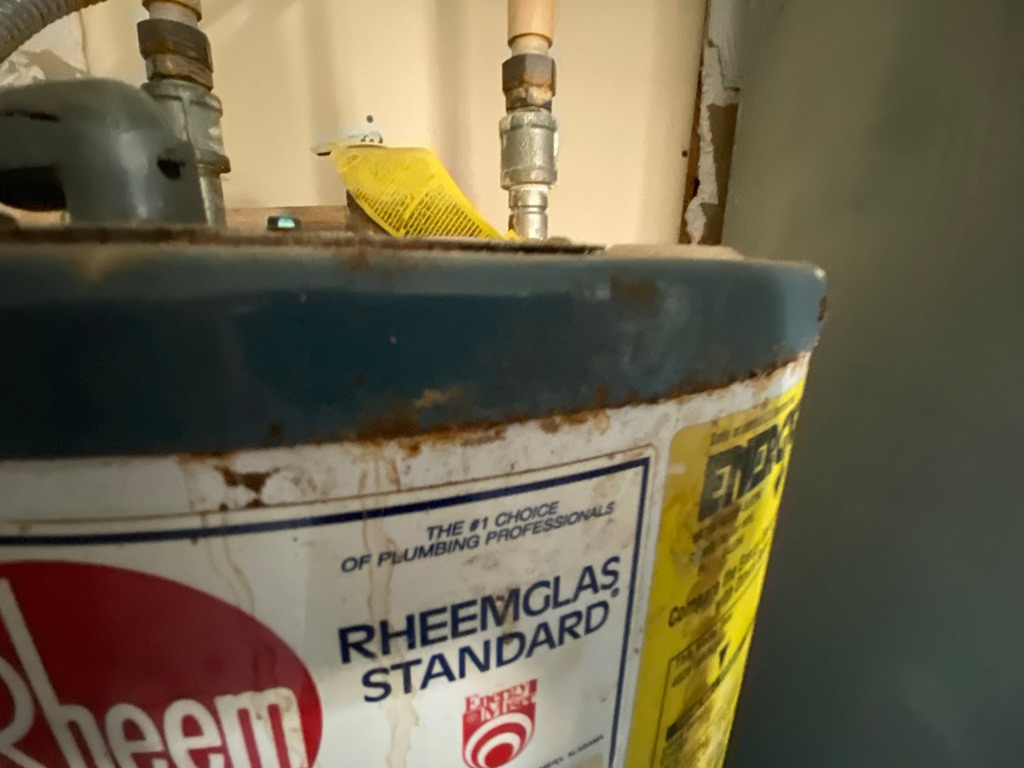
Florida's coastal climate is exceptional in what it asks of a building. Intense ultraviolet radiation, salt-laden air, sustained humidity, wind-driven rain, and a cooling season that runs ten or eleven months a year all place systems under stresses that meaningfully shorten their useful lives compared with national averages. This is the reference chart we actually use in the field — a room-by-room look at how long the parts of a Northeast Florida home tend to last.
It matters most to buyers, sellers, and owners across Nassau County (Fernandina Beach, Amelia Island, Wildlight) and coastal Duval and St. Johns, where these factors compress maintenance timelines and affect both insurability and resale value. When a system is near the end of its range, it's worth planning for — and a documented home inspection is how you turn a chart like this into a budget. You can schedule an inspection or check starting prices any time.
This chart is for educational reference only and is not a substitute for a professional inspection. Life expectancy figures are general guides — real-world performance depends on installation quality, maintenance history, exposure, and local climate. Always rely on a qualified inspector for a property-specific assessment.
Adhesives, Caulk & Paints
Surface prep and coating quality decide how long paint lasts — and in Florida, UV and wind-driven rain are the primary accelerants of exterior failure. Exterior caulk on the coast commonly fails within one to three years from thermal cycling and UV, so treating these as routine seasonal upkeep protects everything underneath them.
| Component | Life Expectancy (Years) |
|---|---|
| Caulking — Interior | 5–8 |
| Caulking — Exterior FL Shorter | 1–3 |
| Construction Glue | 10+ |
| Paint — Exterior FL Shorter | 5 |
| Paint — Interior | 8–12 |
| Roofing Adhesives / Cements | 8+ |
| Sealants | 5 |
| Stains — Exterior FL Shorter | 2–6 |
Appliances
Appliance life depends heavily on usage, maintenance, and build quality. Hard water in many Northeast Florida municipalities shortens the life of anything with a water connection, and plenty of appliances get replaced for efficiency or preference well before they actually fail.
| Appliance | Life Expectancy (Years) |
|---|---|
| Air Conditioner — Window Unit FL Shorter | 5–7 |
| Compactor — Trash | 6 |
| Dehumidifier | 8 |
| Dishwasher | 9 |
| Disposal — Food Waste | 12 |
| Dryer Vent — Plastic | 5 |
| Dryer Vent — Steel | 20 |
| Dryer — Clothes | 13 |
| Exhaust Fans | 10 |
| Freezer — Standalone | 10–20 |
| Gas Oven | 10–18 |
| Hand Dryer | 10–12 |
| Humidifier — Portable | 8 |
| Microwave Oven | 9 |
| Range / Oven Hood | 14 |
| Range — Electric | 13–15 |
| Range — Gas | 15–17 |
| Refrigerator | 9–13 |
| Swamp Cooler | 5–15 |
| Washing Machine | 5–15 |
| Whole-House Vacuum System | 20 |
Cabinetry & Storage
Well-built cabinetry can last generations. Modular stock cabinets have a shorter life than custom solid-wood installs, and in Florida's humidity, ventilation inside cabinets near sinks and dishwashers is what keeps moisture damage and mold from cutting that life short.
| Component | Life Expectancy (Years) |
|---|---|
| Bathroom Cabinets | 50+ |
| Closet Shelves — Wood/Metal | 100+ |
| Entertainment Center / Home Office Built-In | 10 |
| Garage / Laundry Cabinets | 70+ |
| Kitchen Cabinets — Solid Wood | 50 |
| Medicine Cabinet | 25+ |
| Modular — Stock Manufacturing-Type | 50 |
Ceilings & Walls
Walls and ceilings usually last the life of the home unless water intrusion or structural movement gets to them. Moisture staining is a common Florida finding — often from HVAC condensation, a roof leak, or plumbing. Acoustical tile older than about 25 years may contain asbestos and should be tested before anyone disturbs it.
| Component | Life Expectancy (Years) |
|---|---|
| Acoustical Tile Ceiling Asbestos Risk if pre-1980 | 40+ (older than 25 yrs may contain asbestos) |
| Ceramic Tile | 70+ |
| Concrete | 75+ |
| Gypsum (Drywall) | 75 |
| Wood Paneling | 20–50 |
| Suspended / Drop Ceiling | 25+ |
Countertops
Sealed natural stone — granite, quartzite, marble — can last a lifetime. Cultured marble's gel-coat surface discolors or cracks sooner in Florida's heat, and laminate is vulnerable to delamination in high-humidity areas and near water.
| Material | Life Expectancy (Years) |
|---|---|
| Concrete | 50 |
| Cultured Marble | 20 |
| Natural Stone (Granite, Quartzite, Marble) | 100+ |
| Laminate FL Shorter | 20–30 |
| Resin / Engineered Stone | 10+ |
| Tile | 100+ |
| Wood / Butcher Block | 100+ |
Decks
Coastal decks take UV, moisture, insects, and storm impacts. Structural posts and beams are especially exposed to wood-destroying organisms in this subtropical climate, so regular sealing and inspection of structural connectors is critical — and composite is worth considering for new builds near the water.
| Component | Life Expectancy (Years) |
|---|---|
| Deck Planks — Pressure-Treated Wood FL Shorter | 10 |
| Deck Planks — Composite | 8–15 |
| Structural Wood (Posts, Beams) FL Shorter | 5–20 |
Doors & Windows
In Northeast Florida, impact-resistant windows and doors are an increasingly valuable investment — for storm protection and for potential insurance credits through wind mitigation. Wood needs more upkeep than fiberglass or steel in this humid, UV-intense climate, and failed insulated glass units (fogging between the panes) are a routine inspection finding.
| Component | Life Expectancy (Years) |
|---|---|
| Bi-fold Doors | 30+ |
| Entry Doors — Fiberglass | 80+ |
| Entry Doors — Steel | 80+ |
| Entry Doors — Wood FL Shorter | 30–100+ |
| Garage Doors | 30 |
| Interior Doors — Hollow Core | 30+ |
| Screen Doors | 25–50 |
| Sliding Glass Doors FL Shorter | 20–30 |
| Windows — Aluminum Frame FL Shorter | 15–20 |
| Windows — Double-Pane Insulated (IGU) FL Shorter | 20–25 |
| Windows — Impact-Resistant | 30+ |
| Windows — Skylights (Glass) FL Shorter | 10–20 |
| Windows — Vinyl Frame | 20–40 |
| Windows — Wood Frame FL Shorter | 30+ |
Electrical Systems
Electrical is a primary focus of 4-point insurance inspections — panels, wiring type, and GFCI/AFCI protection all get evaluated. Homes built before 1975 may have aluminum branch wiring, which needs special attention, and smoke and CO detectors have replacement timelines many homeowners overlook.
| Component | Life Expectancy (Years) |
|---|---|
| Arc-Fault Circuit Interrupters (AFCI) | 30+ |
| Carbon Monoxide Detectors | 5–7 |
| Electrical Outlets / Switches | 50+ |
| Ground Fault Circuit Interrupters (GFCI) | 25–50 |
| Main Electrical Panel — Load Center | 30–40 |
| Service Line / Meter Base | 30+ |
| Smoke Detectors (replace per manufacturer) | 10 |
| Wiring — Copper | 100+ |
Flooring
Flooring choices here should account for humidity and the possibility of storm or plumbing flooding. Solid hardwood can cup and warp without good climate control; luxury vinyl plank has become the popular coastal choice for moisture resistance; and carpet needs regular cleaning given mold risk in humid conditions.
| Material | Life Expectancy (Years) |
|---|---|
| Carpet FL Shorter | 8–10 |
| Hardwood — Solid | 100+ |
| Hardwood — Engineered | 25–30 |
| Laminate FL Shorter | 15–25 |
| Linoleum | 25 |
| Luxury Vinyl Plank (LVP) | 15–25 |
| Marble / Granite Tile | 100+ |
| Ceramic / Porcelain Tile | 75–100+ |
| Vinyl Sheet | 20–30 |
Heating, Ventilation & Cooling (HVAC)
HVAC is one of the most consequential systems in a Florida home — and one of the shortest-lived on the coast. Salt air aggressively corrodes condenser coils and electrical components, so central systems in Fernandina Beach, Amelia Island, and other coastal Nassau communities can fail in seven to ten years against a ten-to-fifteen-year national average. A 4-point inspection reports HVAC age and condition, and an aging unit can affect insurance eligibility.
In 13+ years inspecting Northeast Florida homes, I've seen coastal AC units fail in as few as seven years. The salt air is relentless — annual maintenance and coil coatings are not optional.
Brian Walker, Certified Master Inspector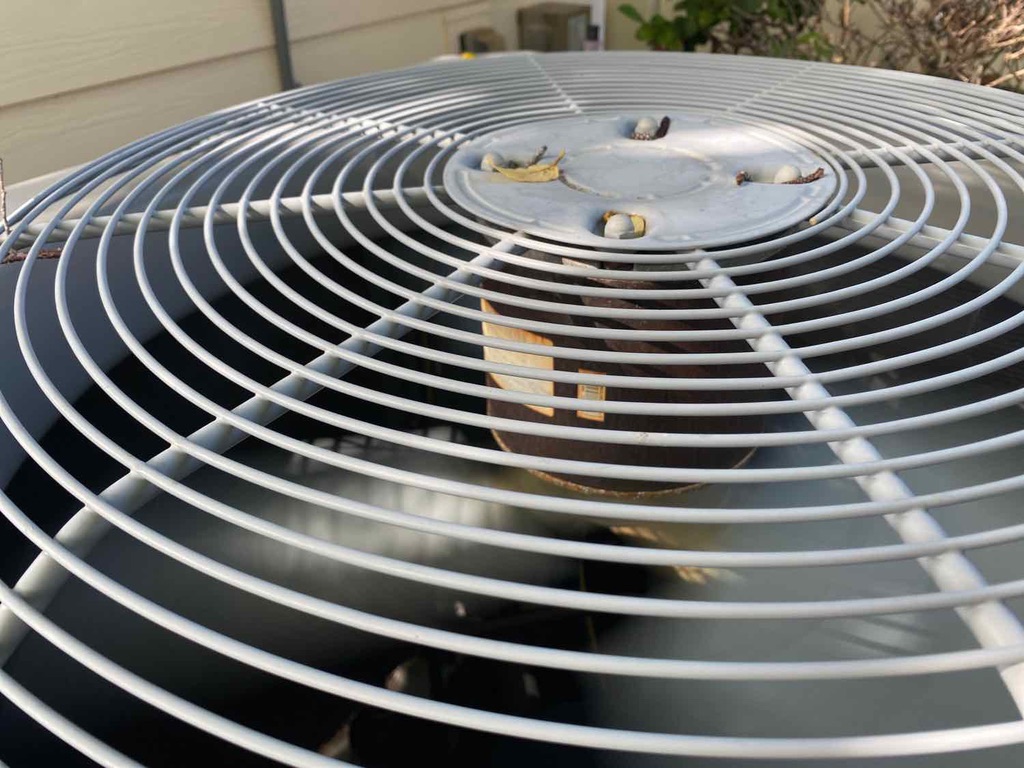
| Component | Life Expectancy (Years) |
|---|---|
| Central Air Conditioner FL Shorter | 7–15 (coastal FL: 7–12) |
| Ductwork — Sheet Metal | 60–100 |
| Ductwork — Flex Duct FL Shorter | 15–25 |
| Heat Pump FL Shorter | 10–16 (coastal FL: 7–12) |
| Mini-Split System | 15–20 |
| Furnace — Gas (rarely used in NE FL) | 15–20 |
| Thermostat — Programmable / Smart | 5–10 |
| Water Heater — Conventional Tank FL Shorter | 10–15 |
| Water Heater — Tankless | 20+ |
| Water Heater — Heat Pump (Hybrid) | 13–15 |
| Water Heater — Solar | 20 |
Plumbing Systems
Plumbing is another focus of 4-point inspections. Carriers care most about polybutylene, galvanized steel, and cast-iron drain lines — all of which show up in older Northeast Florida homes. PEX and CPVC dominate modern construction and perform well here; water quality and pressure also drive longevity.
| Component | Life Expectancy (Years) |
|---|---|
| ABS Pipe — Drain / Waste | 50–80 |
| Brass / Bronze Fittings & Fixtures | 20–50 |
| Cast Iron Pipe — Drain | 75–100 |
| CPVC Pipe — Supply | 50–75 |
| Copper Pipe — Type M/L FL Shorter | 50+ (shorter with acidic water) |
| Faucets / Fixtures | 15–20 |
| Galvanized Steel Pipe Insurable Concern | 40–80 (replace if rusty) |
| PEX Pipe — Supply | 50+ |
| Polybutylene (PB) Pipe Insurable Concern | N/A — replace immediately |
| PVC Pipe — Drain / Sewer | 50–70 |
| Septic Tank — Concrete | 20–40 |
| Sump Pump | 10 |
| Toilets — Tank & Bowl | 50+ |
| Water Softener / Treatment System FL Shorter | 10–15 |
Roofing
Roofing is the single most scrutinized system in Florida property insurance. Roof age and condition drive 4-point eligibility and windstorm premiums, and the coastal mix of UV, salt air, thermal cycling, and hurricane exposure shortens asphalt-shingle life considerably. An aging roof often triggers non-renewal or higher premiums — which makes timely replacement a financial decision as much as a safety one. A roof certification documents remaining life for your carrier.
- Asphalt shingles are the most common roofing material in Northeast Florida — and the shortest-lived here.
- Tile (clay or concrete) performs better long-term, but only over sound underlayment and proper installation.
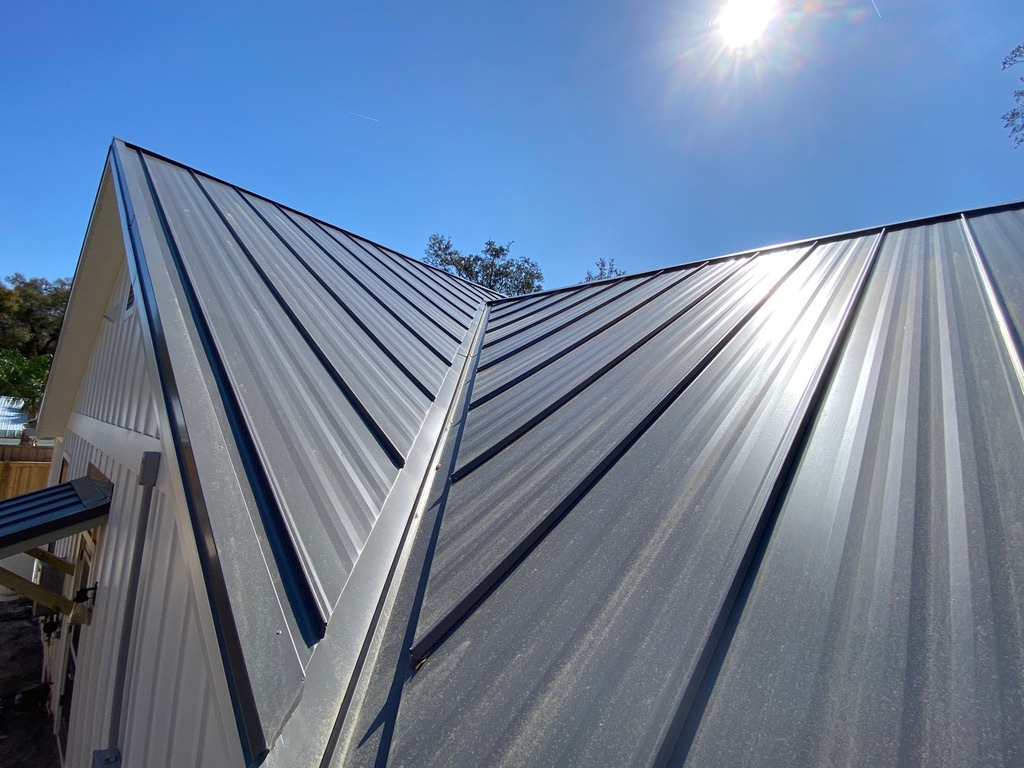
- Metal offers the best storm resistance and longevity in coastal conditions.
- Roof-age documentation (permit dates, product approvals) is required for insurance inspections.
| Roofing System | Life Expectancy (Years) |
|---|---|
| Asphalt Shingles — 3-Tab FL Shorter | 10–20 (FL: 10–15) |
| Asphalt Shingles — Architectural / Dimensional FL Shorter | 20–30 (FL: 15–20) |
| Clay / Concrete Tile FL Shorter | 50+ (FL: 25–50) |
| Metal — Standing Seam / Exposed Fastener | 40–70 |
| Modified Bitumen — Low Slope FL Shorter | 10–20 |
| Roof Flashing — Aluminum | 30+ |
| Roof Flashing — Galvanized Steel FL Shorter | 20–30 |
| TPO / EPDM Membrane — Low Slope | 15–30 |
| Wood Shake / Shingle FL Shorter | 15–30 (rare in NE FL) |
| Roof Underlayment — Synthetic | 20–30 |
| Roof Underlayment — Felt (15/30 lb) | 10–15 |
Frequently Asked Questions
How long does a roof last in Florida?
In Florida's coastal climate, 3-tab asphalt shingles typically last 10–15 years and architectural shingles 15–20 — noticeably shorter than the national averages. Clay and concrete tile can last 25–50 years, and metal 40–70. UV exposure, salt air, and wind-driven rain are the primary accelerants, and permit and product-approval records matter for insurance.
How long does an AC unit last in Northeast Florida?
Central AC units in coastal Northeast Florida typically last 7–12 years, versus a 10–15 year national average; heat pumps average 7–12 on the coast. Salt-air corrosion of the outdoor condenser coil is the main accelerant. Annual professional maintenance, coil coatings, and covering the outdoor unit during hurricane season all extend service life.
What home systems fail earliest in coastal Florida?
Across Nassau, Duval, St. Johns, Clay, and Flagler counties, the earliest to go are exterior caulk (1–3 years), exterior paint (about 5), window-unit ACs (5–7), asphalt-shingle roofing (10–15), and central HVAC (7–12 on the coast). Building a maintenance budget around those timelines is one of the most practical things a homeowner here can do.
When should I replace my water heater in Florida?
Conventional tank heaters last 10–15 years in Florida; tankless units 20+. Warning signs include rust-colored hot water, rumbling or popping, visible corrosion on the tank or connections, water pooling at the base, or any unit over 12 years old. Near the coast, hard water accelerates internal corrosion — an annual anode-rod check extends tank life.
How does a home inspection help me understand life expectancy?
A professional inspection by a Certified Master Inspector documents the age, condition, and estimated remaining life of major systems, so buyers, sellers, and investors can budget accurately for future repairs — and understand which systems may affect insurance eligibility or negotiating position at closing. Read more about Lunar or schedule an inspection.
Sources & references: Life expectancy data is adapted from standard home-inspection industry resources — including InterNACHI® service-life guidelines and Florida Building Code provisions — alongside field observations from 13+ years of Northeast Florida inspections. Florida-adjusted ranges reflect coastal factors: UV index, salt air, humidity, and extended HVAC run times. See the inspection glossary for definitions of the materials and systems named above.
Brian is the Certified Master Inspector behind Lunar, with 20+ years of building, remodeling, and inspection experience across Northeast Florida. He writes these field notes to help homeowners, buyers, and investors make confident decisions. Read more about Lunar or schedule an inspection.